
Regional and Local Advancements Continue to Define Estero and Beyond
Estero has secured its spot as one of the most sought-after locations to live in Southwest Florida. The proof is in the continuing advancements all around — from billion-dollar airport construction to capital improvement projects by the Village of Estero to residential real estate sprawling out along the eastern corridor of Corkscrew Road — development reflects the demand.
For many years, the demographics of new communities in the area skewed heavily toward Midwesterners and Northerners, but that’s shifting. Joe Pavich Sr., Estero resident since 1989 and patriarch of J. Pavich Real Estate, is one of those Midwesterners who traded his snowshoes for sunglasses 36 years ago. Pavich has seen Estero evolve longer than most people, and his family real estate business has its finger on the pulse of Estero’s transformation. A developer working on the emerging Kingston community on east Corkscrew Road recently told Pavich that all 50 states are currently represented there.
“We’re no longer solely a Midwest destination,” Pavich said.
Regional Advancement
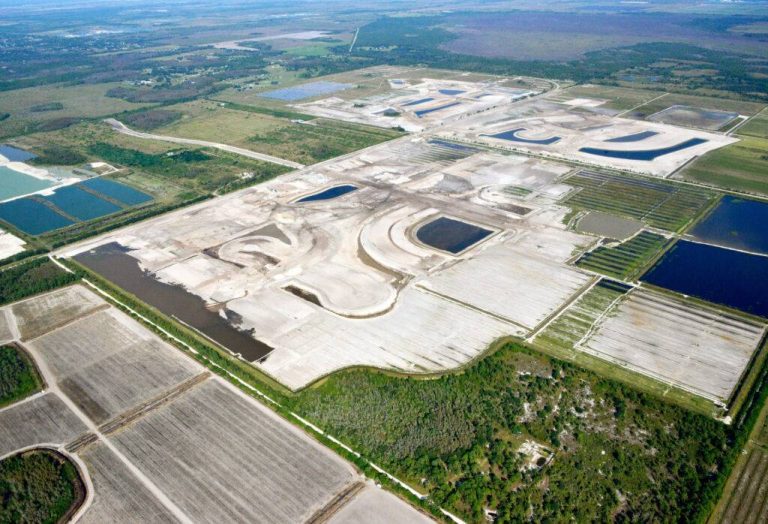
As Southwest Florida continues to attract tourists and new residents from around the nation, one of the most impactful advancements is the $1.1 billion, multi-phase Terminal Expansion Project at Southwest Florida International Airport (RSW).
Suffolk Construction and the Lee County Port Authority recently celebrated placement of the final steel beam on a more than 513,000-square-foot structural addition reinforced by 12,000 tons of steel.
More than 500 workers have been on site since the Phase 2 groundbreaking on March 12, using advanced construction technology, artificial intelligence-powered site documentation and tight logistics while the airport remains fully operational. The scale, pace and technical complexity of the work being done underscores the importance of this phase to the airport’s long-term growth.
The project focuses on adding 14 initial gates — a 50% capacity increase — engineered to handle 10,000 to 15,000 additional passengers per day, with the infrastructure to support 19 gates in the future.
The new Concourse E will include a transportation security checkpoint and expanded retail and food and beverage concessions, airside improvements and curbside improvements that will reconfigure and expand terminal access roadways. The targeted completion date is December 2027.
Plans also include expansion of the airport terminal on all three levels to include a new ticketing lobby and baggage claim area and new baggage handling system. Officials say the expansion will enhance security, passenger flow and overall travel experience at RSW.
The terminal expansion project is Lee County’s largest public works project ever.
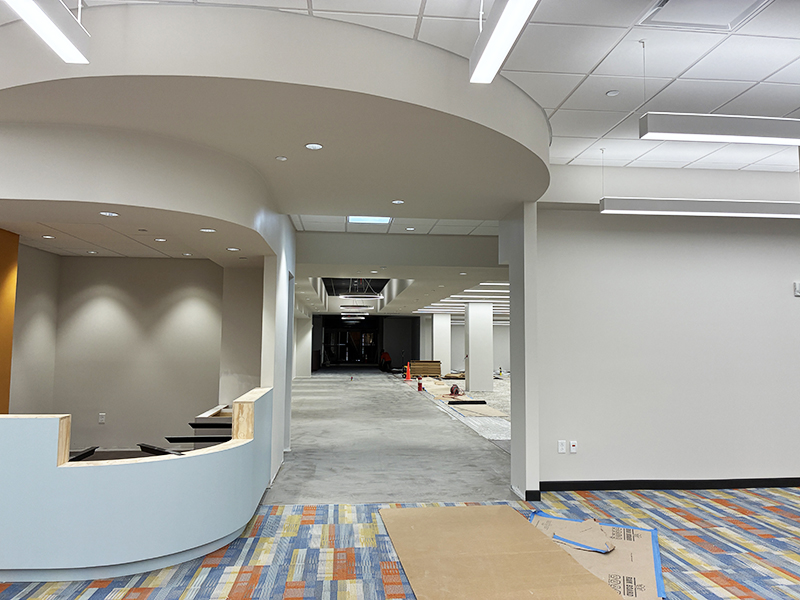
To the delight of Estero residents, the South County Regional Library re-opened its doors in December after more than a year of renovations. Internal improvements include a major overhaul of the library space, including new furniture, flooring and shelving, additional study rooms and a room for children’s programs, along with a complete update of the building’s mechanical, electrical and technology systems. An automatic material handling system will be installed for more efficient library material returns. Exterior improvements include a roof replacement, new paint and an enhanced public entrance.
Local Advancement
While many factors contribute to Estero’s desirability, the community’s conscientious leadership adds much to its value. The Village of Estero continues to emphasize quality projects, creating a sustainable model for public works, employing a public-private partnership approach, and continuing with low taxes. The numerous commercial and mixed-use projects on the docket for 2026 and beyond are a result of years-long efforts of the Village of Estero to support the growing needs of the community, while careful scrutiny is used in all aspects of planning.
“The whole notion of incremental improvement is something we don’t often talk about, but that’s the theme,” said Village Manager Steven Sarkozy. “Not a week goes by that we’re not trying to move the ball forward.”
What Estero residents can expect to see in 2026 is the completion of some of the Corkscrew Road widening and landscape project east of Ben Hill Griffin Parkway, as well as completion of the first group of septic-to-sewer projects in Cypress Bend and Sunny Grove.
Advancements are taking place in Phase 1 of the Estero RiverPark project located at the northeast intersection of Corkscrew Road and U.S. 41. The north side of the park now has restroom facilities, the bridge was installed in mid-December at the main branch, and Phase 1 of the paths are completed. Some developments to this park are restricted due to the location of an eagle’s nest, with the law prohibiting activity within 660 feet of the nest.
In 2026, the Village of Estero will also be well into the first phase of infrastructure improvements and landscaping roads in the Estero SportsPark, with estimated completion of infrastructure this year.
“We are trying to coincide the first phase of the SportsPark infrastructure with the opening of High 5, because they really have to be together,” Sarkozy said.
The second phase that will begin in 2026 is attracting other tenants to the SportsPark, which will likely not be a daunting task, as the Village of Estero has gained the attention of entertainment facilities around the nation. A full driving range is part of the SportsPark plans, which is expected to be negotiated in the first quarter of 2026, with plans to open in the first quarter of 2027, barring any obstacles.
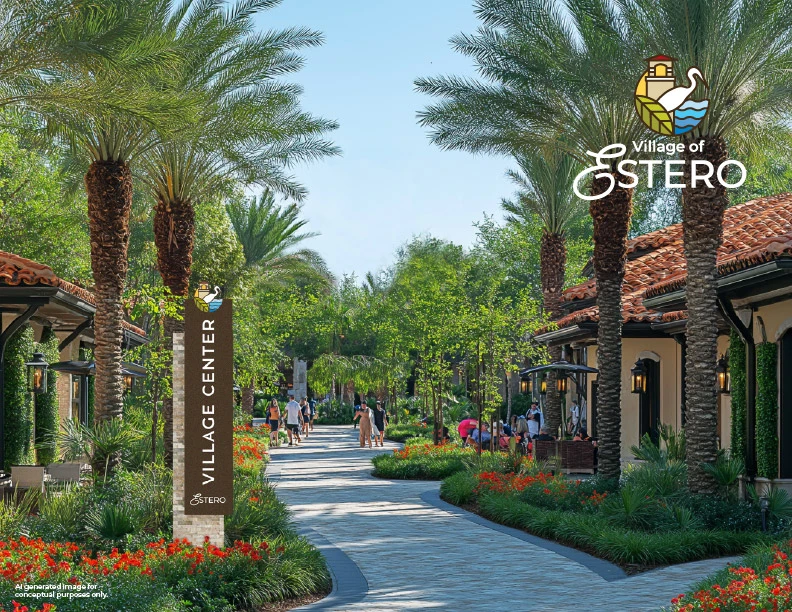
Another anticipated development is the Estero Village Center, a central gathering point that will become a vibrant downtown center for Estero. The Village Center is already home to the Village’s civic uses, Estero High School and Estero Community Park and Recreation Center. Through a public-private approach, The Hub, located in the southeastern section of the Village Center, will soon include interconnected mixed-use sports and entertainment campuses. The vision for The Hub is to blend family entertainment, lifestyle amenities, sports and all-day recreation opportunities for residents of all ages.
“Village Center will be vertical mixed-use with commercial on the first floor and then several stories above for residential or office use,” Sarkozy said. “Think of Mercato, but this is three times larger than Mercato. That’s the discussion, but we will see what really comes to fruition.”
A groundbreaking ceremony took place in December for Lumio, a 330-residence community that will combine luxury apartments and high-end amenities, along with retail and office opportunities at the southwest corner of Corkscrew Road and Via Coconut, across from Genova. Construction is expected to take 18 months.
The Village is also moving ahead with River Oaks, a 10-acre preserve site at the far east end of Broadway that will contain some outbuildings and restaurant facilities.
The Utility Extension Project, or “septic-to-sewer,” was designed to eliminate pollution to the Estero River — a vital step to restore local waterways. Phase 2 of the project is anticipated to begin for the communities of West Broadway, Charing Cross and Estero River.
“We’re trying to navigate through the FEMA grants and all of the crazy stuff going on in Washington D.C.,” Sarkozy said. “If we have FEMA dropping out, then we have to go to Plan B and try to utilize the remaining state grants and our own money. So this is kind of a ouija board that we’re trying to figure out in real time.”
Aligning the expectations of residents with the reality of development and utility projects is a difficult task, especially when the federal government is involved in the process.
“Companies have market risk; we have legislative risk,” Sarkozy said.
It’s Not All Rosy
The advancements in technology over the past decade are staggering. Technology companies continue to make major investments in generative AI, and Southwest Florida professionals report widespread use of these technologies. The return on those investments, however, remains unclear.
At SWFL Inc.’s AI Summit in Fort Myers in September, guest speaker Jeremy Mathurin, Microsoft’s director of solution engineering, asked business leaders how many use generative AI, such as ChatGPT, in their professional lives. Nearly all of the local professionals from various industries, including tourism, medical, hospitality, tech and real estate, raised their hands.
The national and Southwest Florida economies remain laden with uncertainty moving into the new year, driven by AI investment without clear return on investment, rapidly shifting trade policies, and the aftermath of the longest federal government shutdown in history, lasting 43 days.
According to FGCU’s Regional Economic Indicators November 2025 report, Southwest Florida’s economy continued to demonstrate signs of slowing. Seasonally adjusted real taxable sales totaled $2.9 billion in July 2025, down 8 percent from 2024. The region’s seasonally adjusted unemployment rate stood at 4.3 percent in August, 0.7 points elevated from the same time last year. Job growth has slowed, as Southwest Florida only saw an increase of 800 jobs over the quarter. The leisure and hospitality industry continued to exhibit the largest decline in jobs, down 2.9 percent since last year, while the education and health services industries remain resilient, up 2.5 percent since last year.
Chris Westley, Ph.D., dean of FGCU’s Lutgert College of Business, provides his insight into the regional economy as it is impacted by national trends.
“There are two opposing forces in place when considering interest rates and trade policy,” Westley said. “Lowering rates can result in unsustainable growth while trade policy,
which often seems like an anti-trade policy, is hindering growth and growth opportunities. An unfortunate thing they have in common is reducing demand for the dollar. This affects the Southwest Florida economy in many ways, but from a macro perspective, it helps to remember when the national economy is increasing, the Southwest Florida economy tends to overheat. But when the national economy contracts, our economy falls at a faster rate.”
Looking ahead to 2026, from Westley’s perspective, things look fairly strong, but his concern lies in the amount of economic activity that is supported by inflation and debt, which is unsustainable, relative to growth fueled by saving, which is sustainable. There are no easy answers to this situation because it is caused by inflationary monetary policies beyond local control.
When asked about which local industries are expected to experience the most significant growth or decline in 2026, Westley reports that the mainstay industries, such as healthcare, banking and financial services, will remain stable and grow with the region in 2026.
“Unfortunately, and also because of poor monetary policy, low- and middle-income service workers will continue to struggle to cover living costs,” Westley said.
The ongoing challenge of affordable, local workforce housing is nothing new. This issue is arguably one of the region’s biggest challenges, along with the effects of rapid urbanization, such as traffic and lack of infrastructure.
The Greater Estero Community Report, published quarterly by Engage Estero, addresses many of these issues.
“While many are concerned that our road infrastructure is not keeping pace with these developments, various plans have been proposed by traffic consultants and the Lee County Metropolitan Planning Office to improve traffic flow,” said Engage Estero President Allan Bowditch.
In Engage Estero’s second Greater Estero Community Report, published in June 2025, Bowditch highlighted the need to continue planning and developing our municipality for future residents:
“Just as companies must adapt to meet market demand and stay competitive, municipalities must evolve to meet residents’ needs, attract visitors, and maintain a vibrant, sustainable community. Most people tend to become worried and uncomfortable when faced with change. However, like companies, municipalities will face severe financial difficulties if they do not adapt. Property values fall, and revenue will be reduced as potential purchasers become attracted to towns and cities offering more relevant attractions.”
A Stabilizing Real Estate Market
The Lutgert College of Business Regional Economic Research Institute (RERI) found Southwest Florida’s housing market continued to recalibrate in late 2025, following the heightened activity of the past four years. Housing supply, as indicated by residential active listings, increased compared to last year, but has been declining month over month.
With the average 30-year fixed rate mortgage in the U.S. falling to 6.19 percent, more buyers can enter the market. Affordability remains a central challenge, with average home insurance premiums this year increasing by 1.5 percent statewide and foreclosure rates climbing across several Florida metros, including Cape Coral-Fort Myers, now ranked third-highest in the nation.
Overall, the RERI reports that the local housing market is moving from recovery to recalibration, with prices leveling and listings improving, though affordability pressures continue to weigh on long-term momentum.
Pavich also notes that, for the first time in a long time, it is a buyers’ market. Inventory is way up, and motivated sellers are going to be reasonable in their negotiations. He also notes that in recent years, there were roughly 70 percent cash buyers, and now he is seeing more young families utilizing FHA loans.
“The expectation is for the 6 percent interest rate to settle in and settle things down,” Pavich said. “Inventory should top out ‚— right now it’s very high. Homes are being put back on the market for season.”
According to the November local market update provided by Bonita Springs-Estero Realtors , the number of single-family homes listed for sale increased more than 7 percent year-to-date, from 28,437 in October 2024 to 30,466 through October 2025. The median sales price year-to-date for single family homes in the area for 2025 was $450,000, a 4.17-percent increase from $432,000 in 2024.
Pavich warns to take increases with a grain of salt, as the previous few years have been fraught with hurricane woes.
“When realtors say the market report numbers are up from last year, the difference is that we had three years of hurricanes, so if the numbers are equivalent, there are no bragging rights there,” he said.
Estero resident and local real estate expert Jack Mancini has been in the game for 21 years, with the past 12 years of his career spent at Keller Williams. He and his family have lived in Estero since 2002, and Mancini has seen his community grow and change in many ways. He looks to the future with optimism tinged with concern.
Like any true local, he laments the traffic on Corkscrew Road in the afternoon and thinks about the environmental impact to the preserves and swampland from massive development in the eastern part of the community. But he is mostly optimistic.
“The new retail and office spaces that are being added means more jobs locally, more convenience for residents and, hopefully, better overall infrastructure to support long-term growth, not just short-term housing booms,” Mancini said. “ It’s a delicate balance.”
Advancing East
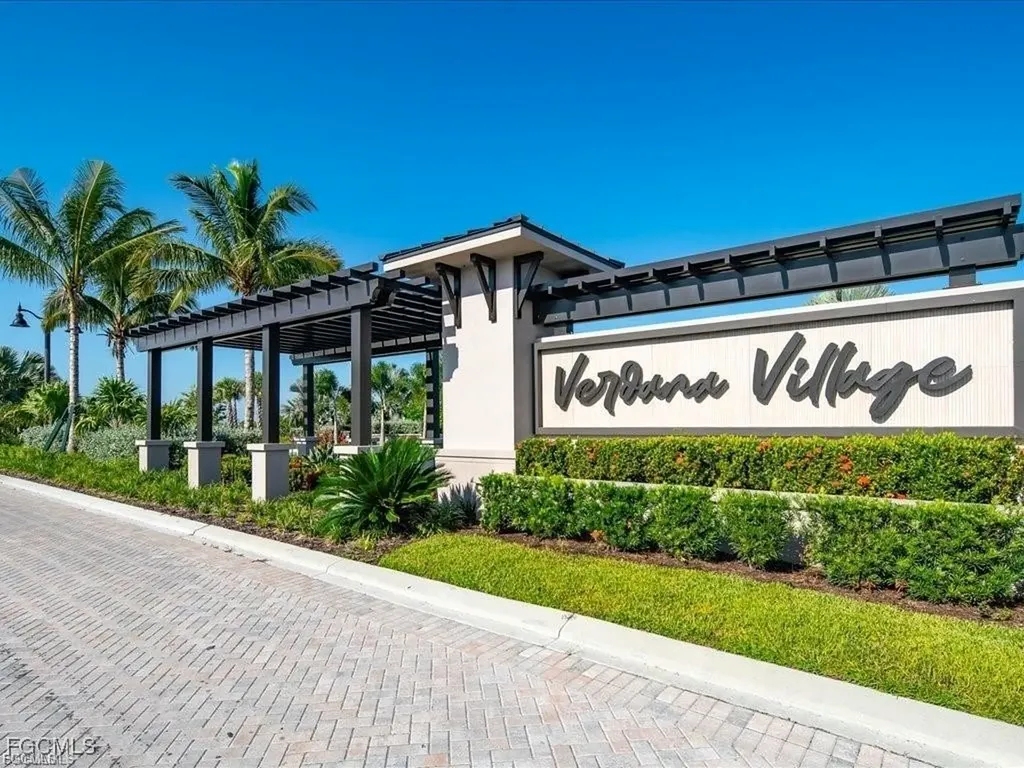
“Everything is moving east. The hottest properties we’re seeing are Verdana Village, Babcock Ranch and Ave Maria,” Pavich said. “People are calling it a down market, but east of Corkscrew Road does not reflect that.”
Another hot topic is the Kingston development, which is an almost 7,000-acre community situated off of Corkscrew Road near the Cameratta communities of Verdana Village, The Place at Corkscrew, Corkscrew Shores and The Preserve at Corkscrew.
Development of Kingston has begun with Kingston South and Esplanade at Kingston. Model homes will be underway by spring 2026 and available for viewing in late 2026. In time, Kingston will offer about 10,000 residences with numerous family-friendly amenities and 700,000 square feet of commercial space. Builders have their own financing, currently at 4.9 percent, which is an attractive offer to entice potential homeowners to purchase in Kingston and other communities east on Corkscrew Road.
Optimism Fort The Future
FGCU’s Westley shares his unique perspective as a local and a renowned dean, provost and economist.
“There is a lot of business optimism here that didn’t exist back in the 1980s when I was a Naples High student,” he said. “Today, it is much more possible to have a happy, full and productive career in many industries, in a region that will become a lot more like Tampa over the next 30 years.”
Despite the variables in the real estate market, Pavich and Mancini are still looking forward to a healthy season. These experienced realtors know the value of the place where they live, with the region offering some of the best public schools, Florida Gulf Coast University, and the numerous advancements on the horizon within every corner of the community.
“My sweet spot is Estero,” Mancini said. “The vision is excellent, with new mixed-use developments and public amenities. The demand is there, and Estero is doing its best to keep up with it through retail, commercial and recreational efforts. There’s a big picture here.”